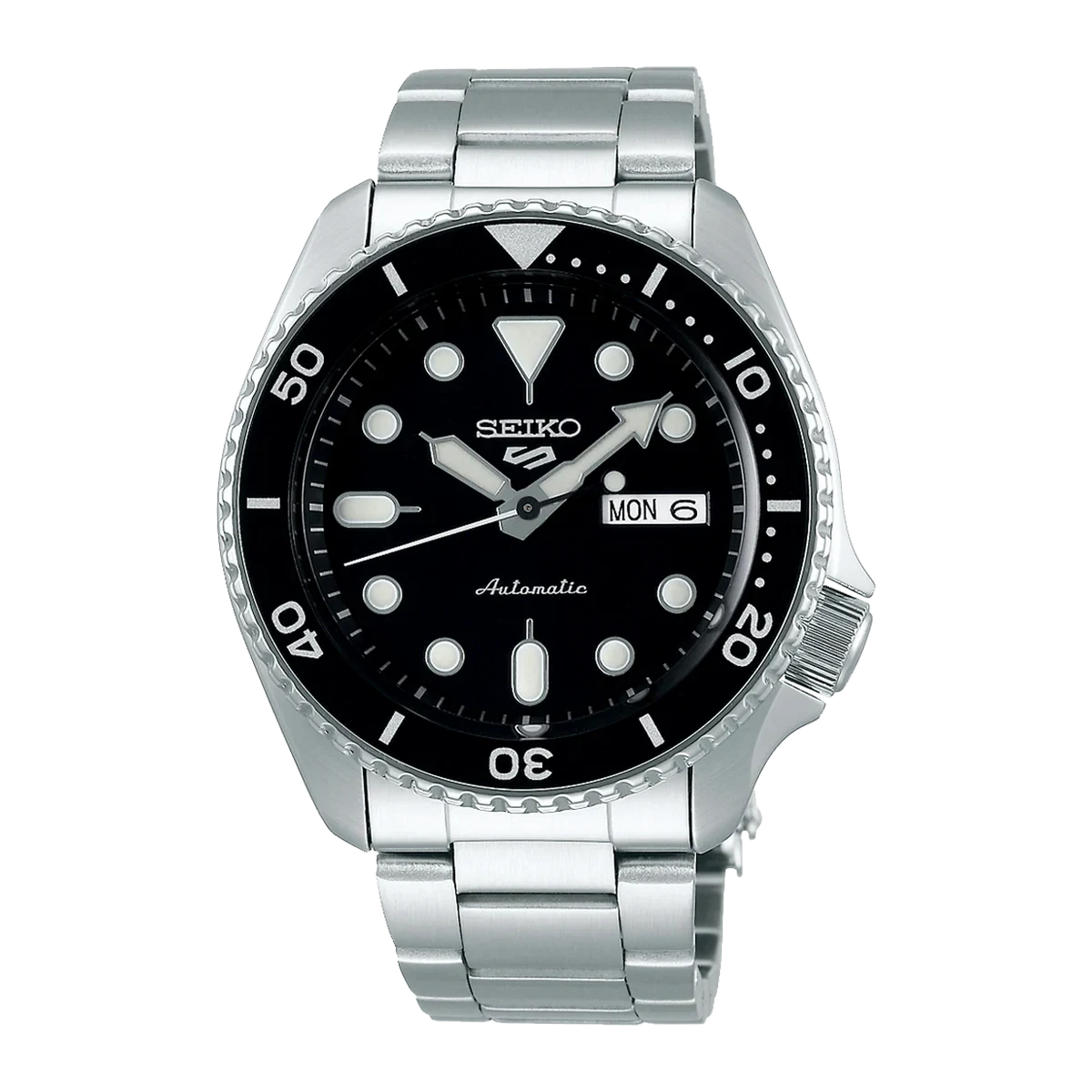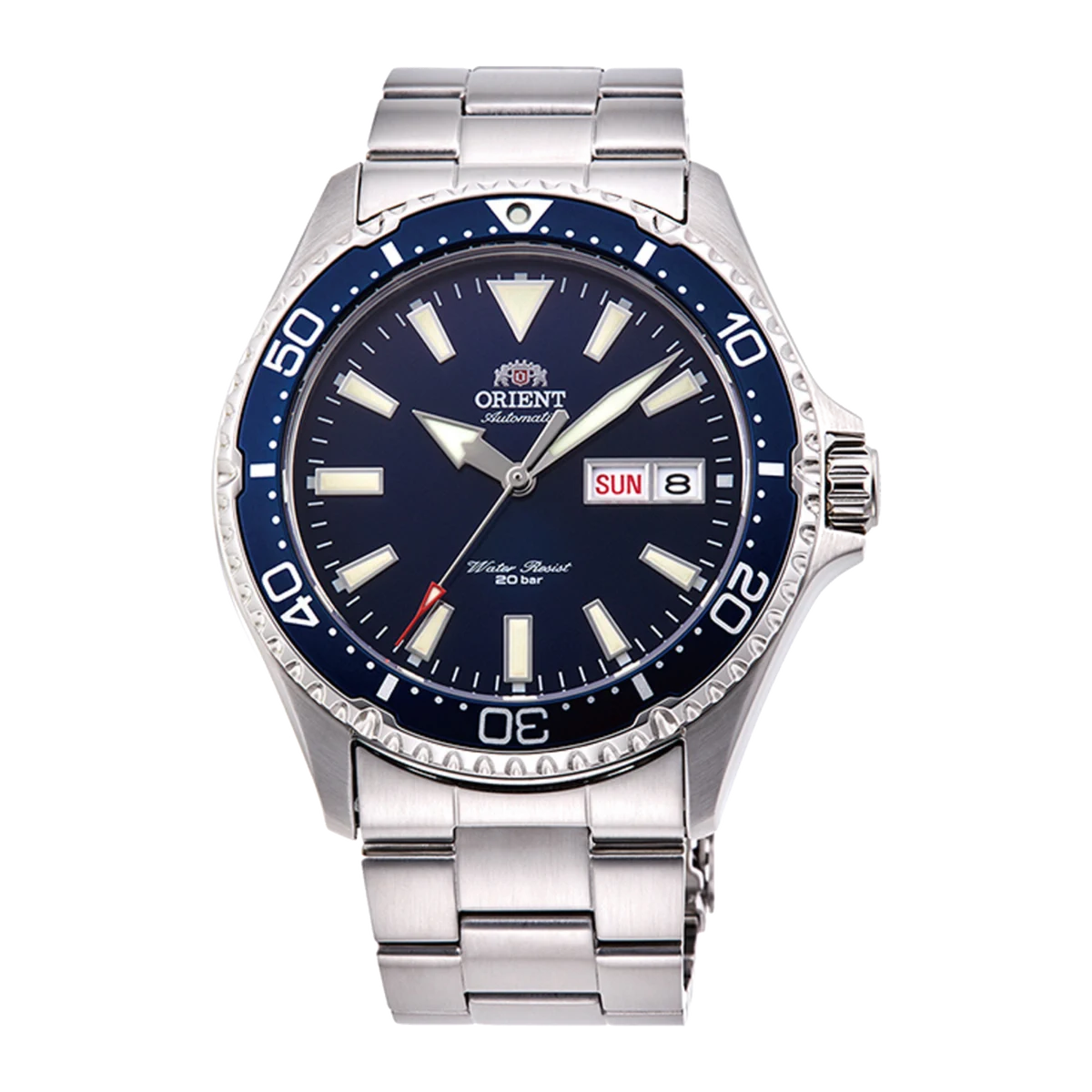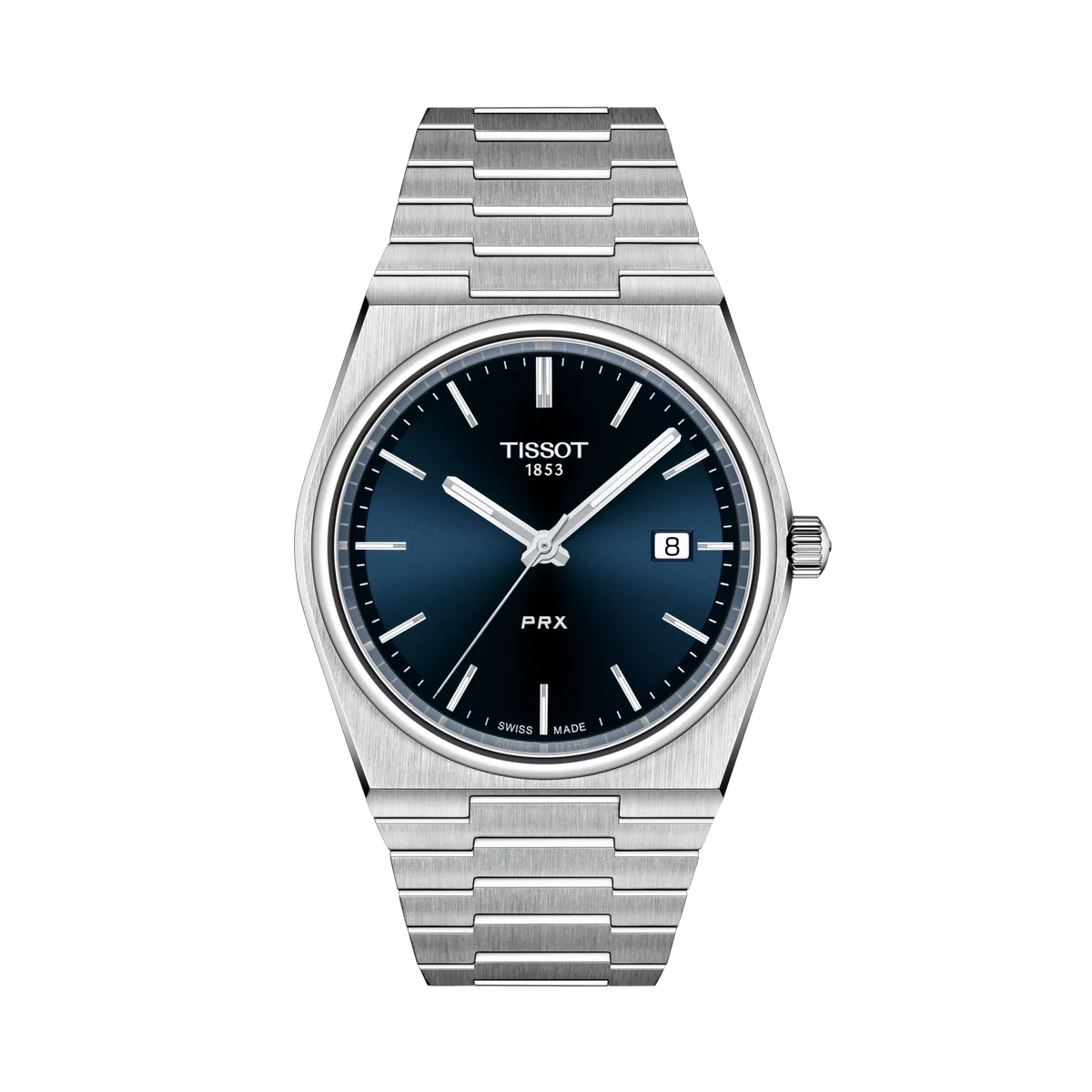
Start with use, not with looks
The most common first-watch mistake is buying a dress watch and then discovering it cannot be worn swimming, or buying a 200 m diver and discovering it does not fit under a work shirt.
Answer this first: how many days a week will this watch be on your wrist, and what are you doing on those days? A watch worn five days a week to an office is a different purchase from one worn on weekends outdoors.
Then choose a movement
This is a decision about maintenance, not performance. Quartz and solar watches are correct whenever you pick them up. Automatics need to be worn or wound and will drift by tens of seconds a day.
If this is a first watch and you are unsure, solar quartz removes every practical objection. If you already know you want a mechanical watch, buy one — but buy it knowing what it will and will not do.
Then check the size
Measure your wrist. Find the lug-to-lug figure for any watch you are considering — it is often absent from retail listings and always present on the manufacturer's specification page.
Use the same rule everywhere on this site: under 46 mm for a small wrist, 43–50 mm for medium, 46 mm and up for large. Diameter is a styling decision and comes after this.
Then set a budget honestly
Under $1,000 there is no price at which the watches stop being good, only points at which they get better at specific things. What changes as you spend more:
- Under $50: a digital quartz that keeps time better than most mechanicals, with splash resistance rather than swimming depth
- Around $100: a watch that works, with real water resistance
- Around $250: sapphire, solid bracelets, published accuracy
- Around $500: certification, complications, better finishing
- Around $800: Swiss movements, long power reserves, ceramic
Leave $40 of any budget for a strap. It changes a watch more than any other single upgrade.
The four mistakes worth avoiding
Buying on diameter alone. It tells you almost nothing about fit.
Buying a watch you have only seen photographed on a large wrist. Watches look completely different at different scales.
Buying water resistance you do not need at the cost of thickness you cannot wear. A 200 m diver is 13 mm tall for a reason.
Buying the highest-rated watch rather than the one you want to look at. A watch you do not enjoy wearing has a score of zero.