What the ratings actually test
A water resistance rating comes from a static pressure test in a laboratory. A watch rated 50 m has withstood pressure equivalent to 50 metres of still water, briefly, with a new gasket, at room temperature.
Swimming involves movement, which multiplies pressure at the moment your hand hits the water. Showers involve heat, which expands gaskets. Neither is accounted for in the rating.
What each rating is good for
- 30 m: rain and hand-washing. Nothing else.
- 50 m: rain, hand-washing, brief accidental submersion. Not swimming.
- 100 m: swimming and snorkelling, if the crown screws down.
- 200 m: recreational scuba, particularly with ISO 6425 certification.
- 300 m and above: technical diving and saturation work.
The practical line is at 100 m. Below it, treat the watch as a dry-land object.
The crown decides more than the number
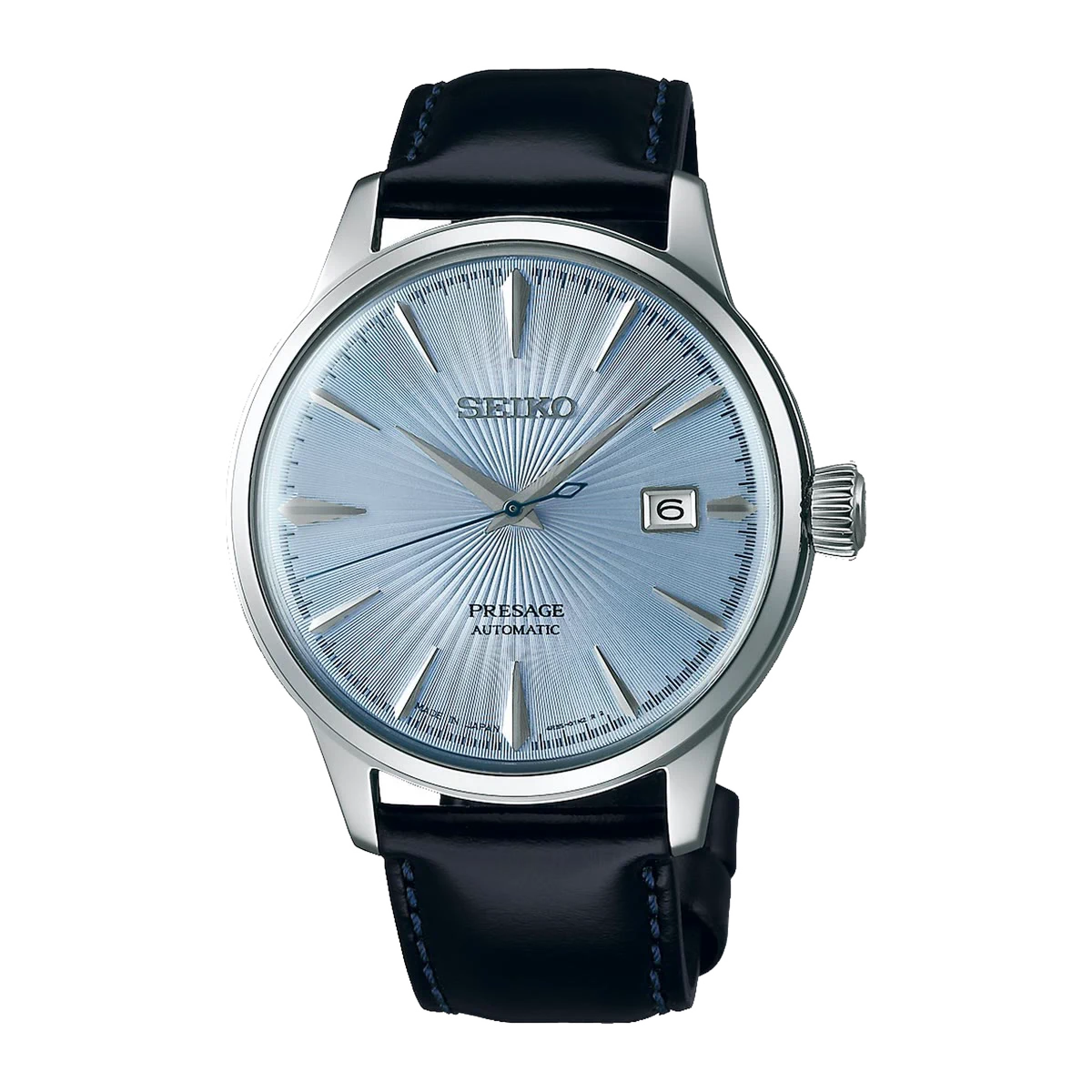
A push-pull crown is held in place by friction against a gasket. A screw-down crown threads into the case and compresses its gasket mechanically. This is why the Seiko Presage is rated 50 m and the Seiko 5 Sports 100 m despite similar case construction — one crown screws down and one does not.
If a watch is rated 100 m or more, check that the crown screws down. If it does not, treat the rating with suspicion.
ISO 6425 and what it adds
ISO 6425 is the international standard for dive watches. It requires testing for water resistance under static and dynamic pressure, resistance to thermal shock, magnetic and shock resistance, strap attachment strength, and legibility at 25 cm in darkness.
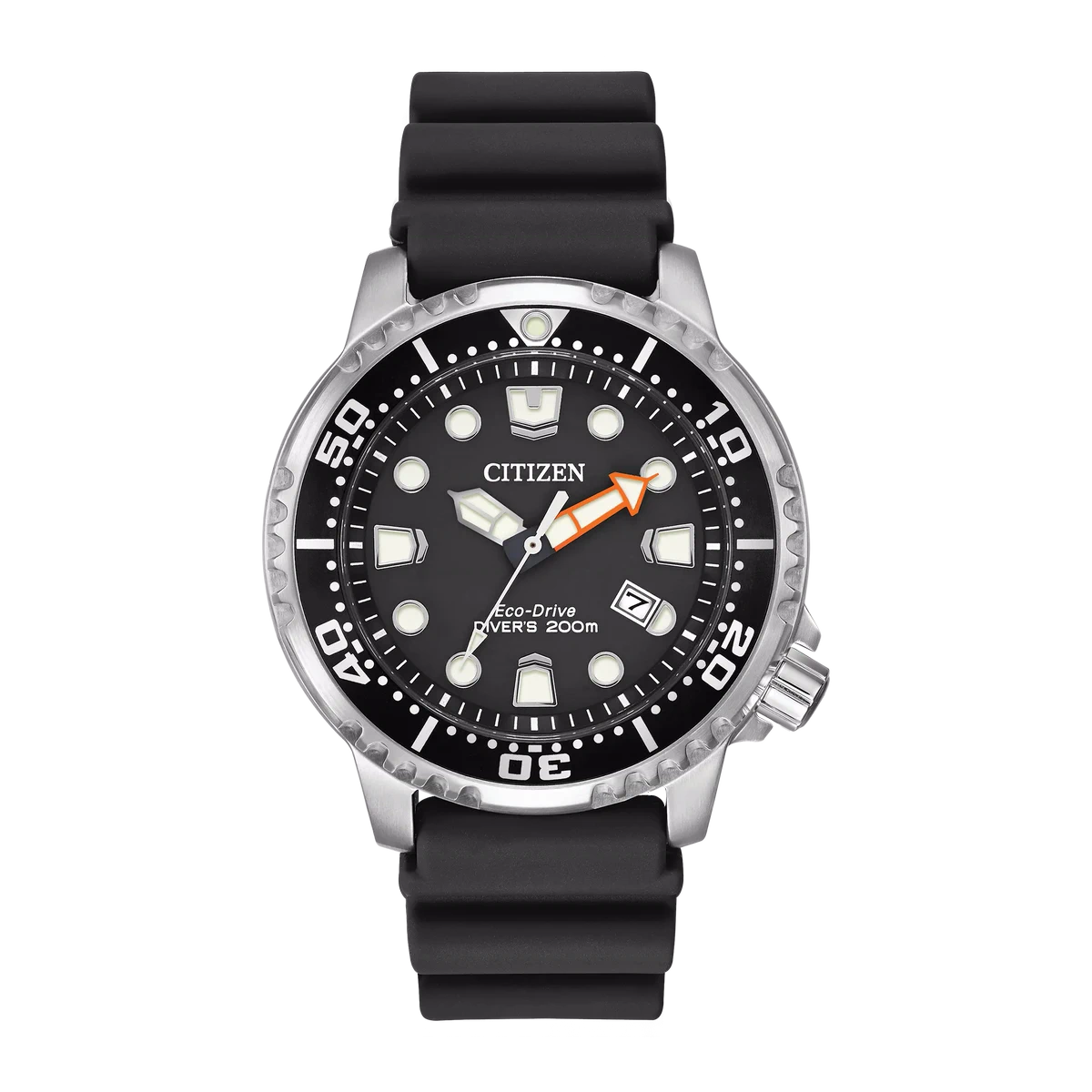
Only a watch that passes may be marked DIVER'S. Seiko's Prospex line and Citizen's Promaster divers carry it; most watches marketed as divers do not.
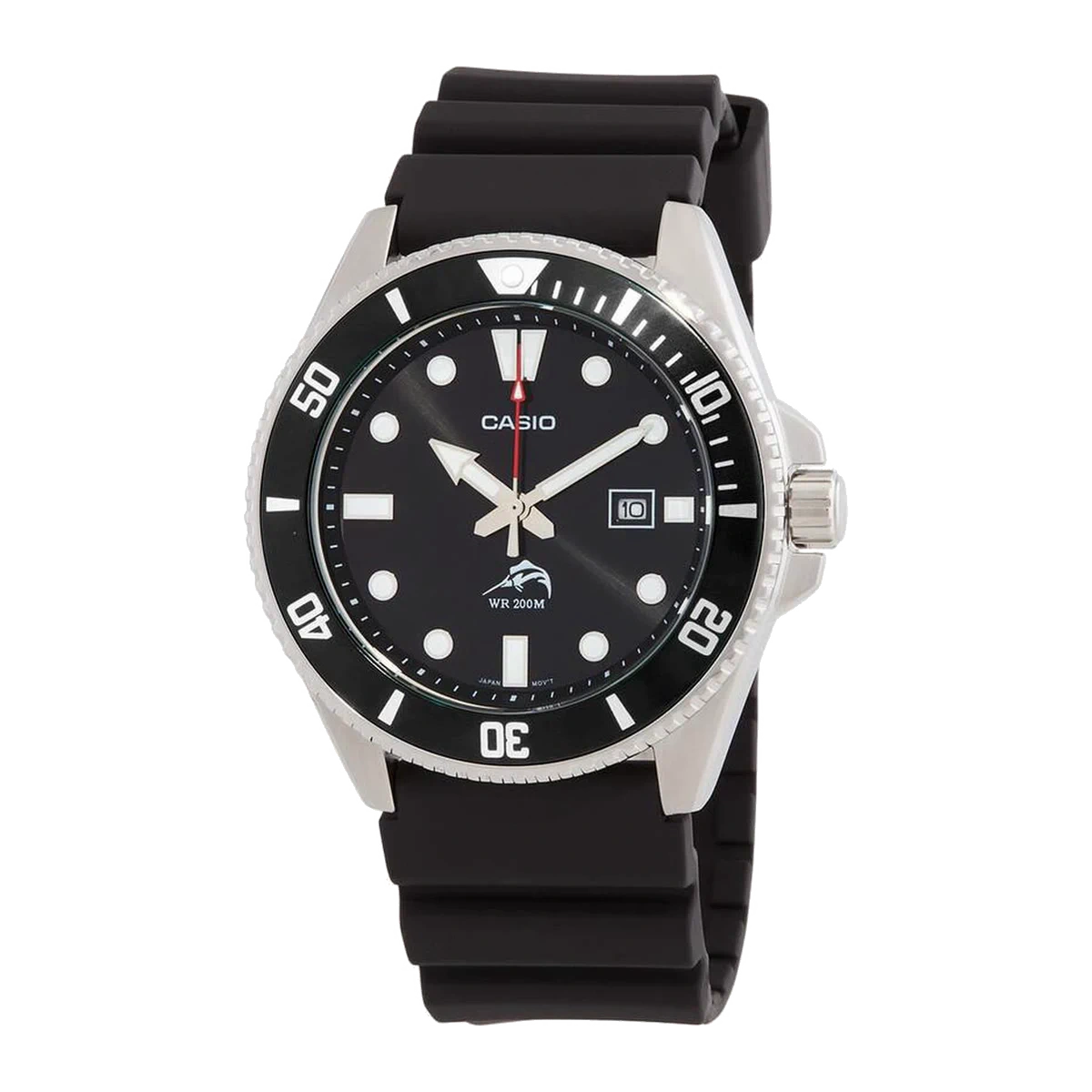
A 200 m rating without certification tells you the case survived a pressure test. ISO 6425 tells you the watch was designed to be used underwater.
Ratings degrade
Gaskets are rubber. They compress, dry out and lose elasticity, typically over three to five years. A twenty-year-old watch rated 200 m is not a 200 m watch until it has been pressure tested and resealed.
If you intend to swim with a watch regularly, have the seals checked every few years. It costs far less than a movement replacement.