How each one works
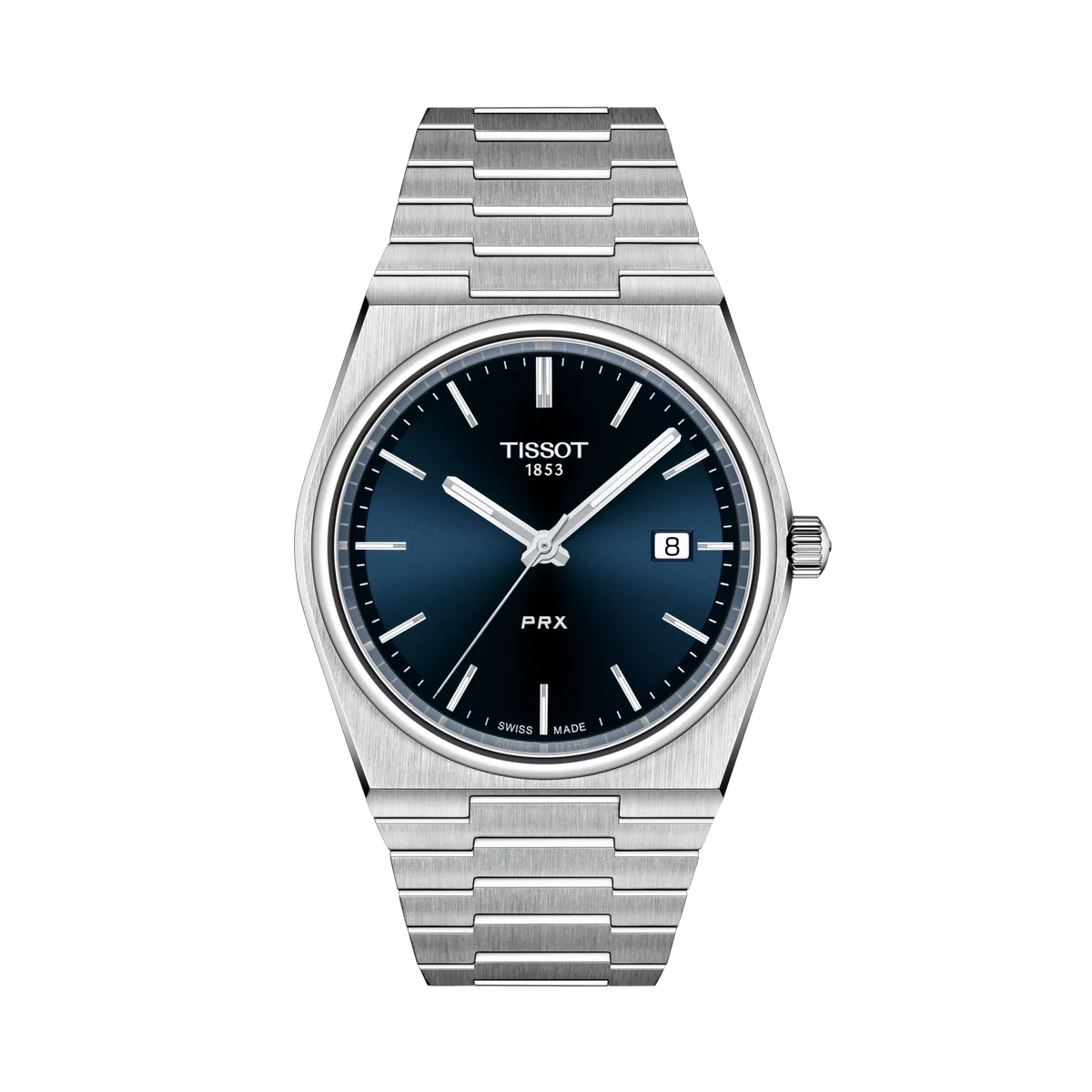
A quartz movement passes a current through a quartz crystal cut to oscillate 32,768 times a second. A circuit counts those oscillations and advances the hands once per second. That is the entire mechanism, and it is why a $60 Casio keeps better time than a $6,000 mechanical watch.
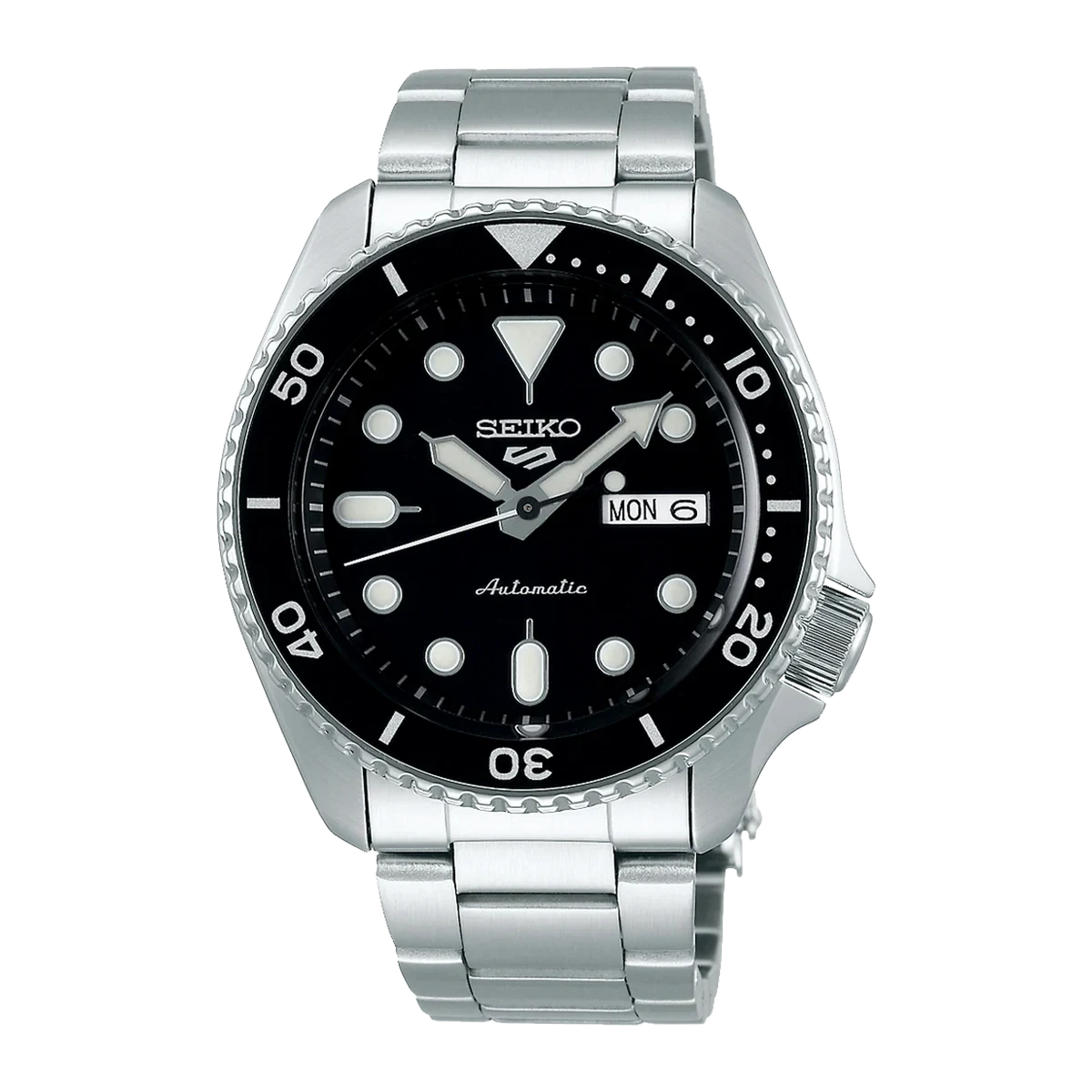
An automatic movement stores energy in a mainspring, wound by a rotor that spins as your wrist moves. That energy is released through a gear train regulated by a balance wheel oscillating between six and ten times a second. Every part is mechanical, which means every part is subject to friction, temperature, position and gravity.
Accuracy: not close
The published specifications tell the story clearly.
- Seiko 4R36: -35 to +45 seconds per day
- Miyota 8210: -20 to +40 seconds per day
- Orient F6922: -15 to +25 seconds per day
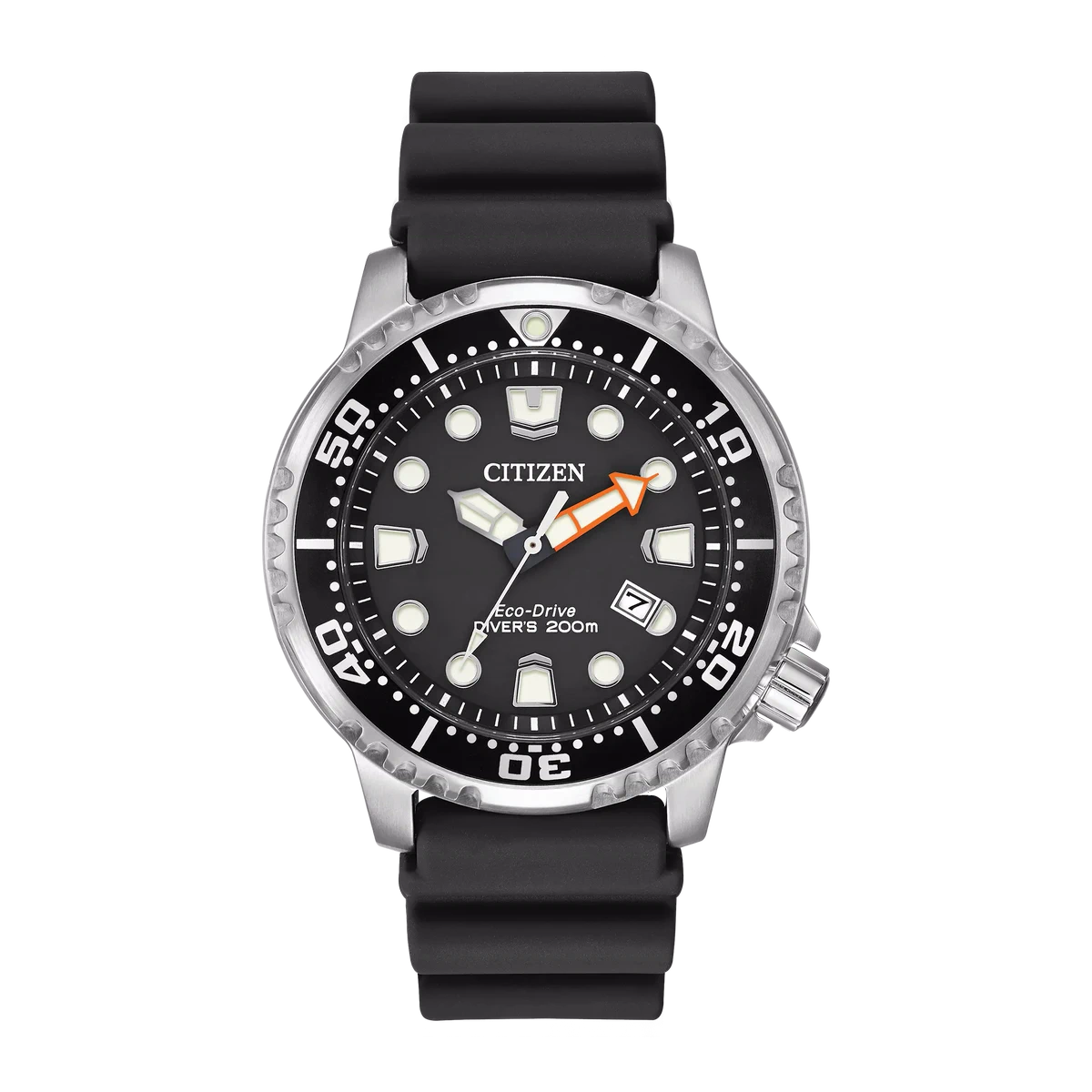
- Citizen Eco-Drive: ±15 seconds per month
- Casio quartz: ±20 seconds per month
A mechanical watch at the good end of that range drifts more in a week than a quartz watch does in a year. This is not a defect. It is the cost of a mechanism that runs on a wound spring.
What each one asks of you
An automatic needs to be worn or wound. Left in a drawer it stops within two days for most Japanese movements, or within three for Swiss movements with extended reserves. Every six to eight years it needs a service costing $150–250 for a Japanese caliber.
A quartz watch needs a battery every two to five years. A solar quartz watch needs nothing at all — the cell charges from any light source and Citizen rates a full charge at roughly six months in darkness.
If you want a watch that is correct every time you pick it up, quartz is not a compromise. It is the answer.
So why buy mechanical at all?
Because the appeal was never accuracy. A mechanical watch is a machine you can watch working through a caseback, powered by nothing but the motion of your arm, using an architecture that has not fundamentally changed in two hundred years. It has a power reserve you can feel running down. It requires something of you.
None of that is rational, and none of it needs to be. What matters is being honest about which one you are buying.
How to decide
Choose quartz if the watch has to be right when you put it on, if it will be worn occasionally, if you want maximum water resistance for your money, or if you simply do not want to think about it.
Choose automatic if the mechanism is part of why you want a watch, if you will wear it most days, and if you accept that you will reset it regularly.
Choose solar if you want quartz accuracy without ever changing a battery — it is the most practical answer on this page and the least discussed.