Cómo funciona cada uno
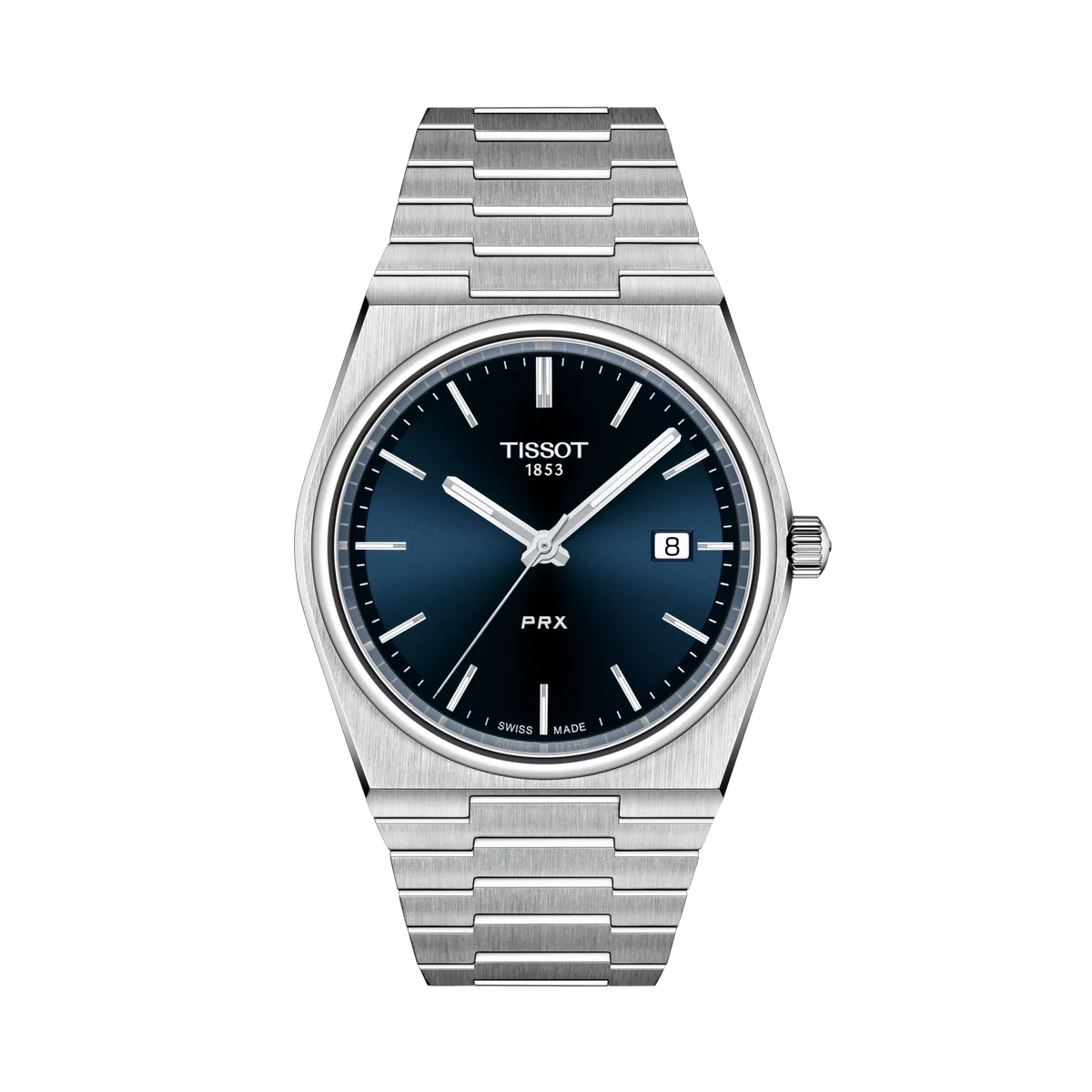
Un movimiento de cuarzo hace pasar una corriente por un cristal de cuarzo tallado para oscilar 32.768 veces por segundo. Un circuito cuenta esas oscilaciones y avanza las agujas una vez por segundo. Ese es todo el mecanismo, y es la razón por la que un Casio de 60 US$ va mejor de hora que un reloj mecánico de 6.000.
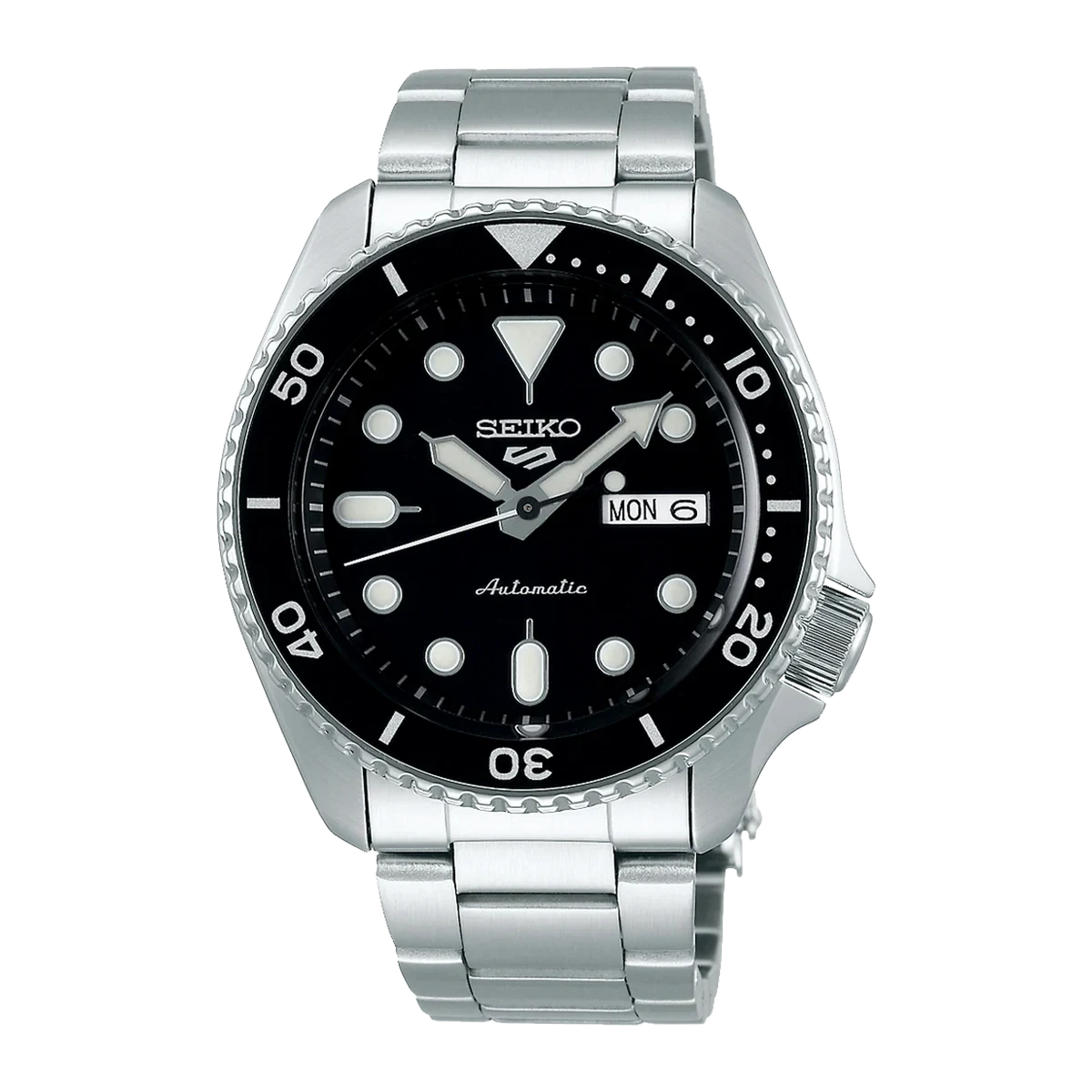
Un movimiento automático almacena energía en un muelle real, al que da cuerda un rotor que gira con el movimiento de tu muñeca. Esa energía se libera a través de un tren de engranajes regulado por un volante que oscila entre seis y diez veces por segundo. Cada pieza es mecánica, lo que significa que cada pieza está sujeta a la fricción, la temperatura, la posición y la gravedad.
Precisión: no está reñido
Las especificaciones publicadas lo cuentan con claridad.
- Seiko 4R36: de -35 a +45 segundos al día
- Miyota 8210: de -20 a +40 segundos al día
- Orient F6922: de -15 a +25 segundos al día
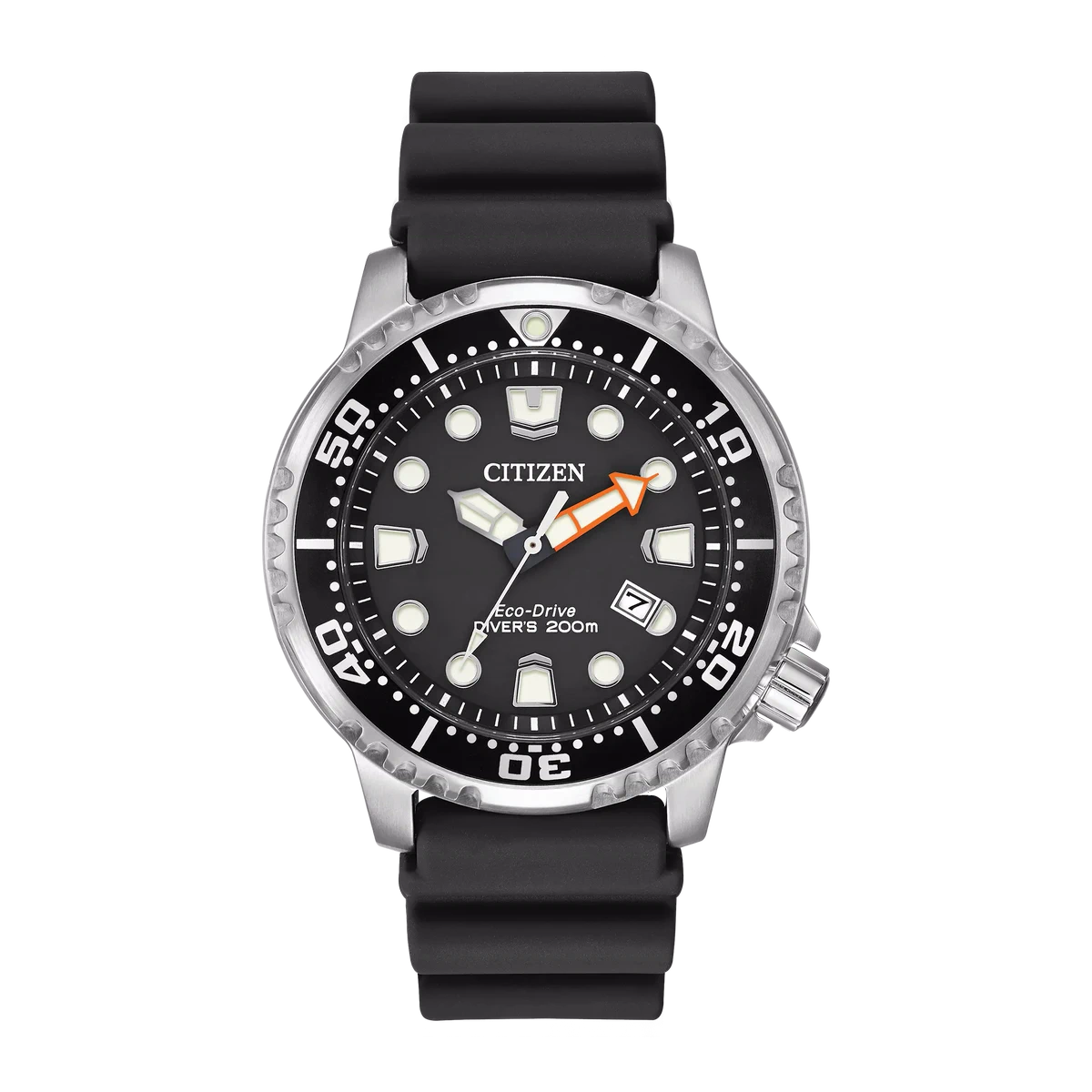
- Citizen Eco-Drive: ±15 segundos al mes
- Cuarzo Casio: ±20 segundos al mes
Un reloj mecánico en el extremo bueno de ese rango se desvía más en una semana que un reloj de cuarzo en un año. Esto no es un defecto. Es el coste de un mecanismo que funciona con un muelle enrollado.
Qué te pide cada uno
Un automático necesita llevarse puesto o que le den cuerda. Si se deja en un cajón, se para en dos días con casi cualquier movimiento japonés, o en tres con los suizos de reserva extendida. Cada seis u ocho años necesita un servicio que cuesta entre 150 y 250 US$ para un calibre japonés.
Un reloj de cuarzo necesita una pila cada dos a cinco años. Uno de cuarzo solar no necesita nada: la célula se carga con cualquier fuente de luz y Citizen calcula una carga completa en unos seis meses a oscuras.
Si quieres un reloj que esté en hora cada vez que lo coges, el cuarzo no es una renuncia. Es la respuesta.
Entonces, ¿por qué comprar mecánico?
Porque el atractivo nunca fue la precisión. Un reloj mecánico es una máquina que puedes ver funcionar a través de un fondo transparente, alimentada solo por el movimiento de tu brazo, con una arquitectura que no ha cambiado en lo esencial en doscientos años. Tiene una reserva de marcha que se nota agotarse. Te exige algo.
Nada de eso es racional, y nada de eso necesita serlo. Lo que importa es ser honesto sobre cuál de los dos estás comprando.
Cómo decidir
Elige cuarzo si el reloj tiene que estar en hora cuando te lo pones, si se va a llevar de vez en cuando, si quieres la máxima estanqueidad por tu dinero, o si simplemente no quieres pensar en ello.
Elige automático si el mecanismo es parte de por qué quieres un reloj, si lo vas a llevar casi todos los días, y si aceptas que lo vas a poner en hora con regularidad.
Elige solar si quieres precisión de cuarzo sin cambiar nunca una pila: es la respuesta más práctica de esta página y la menos comentada.