Los tres materiales
El zafiro es corindón sintético, con un 9 en la escala de dureza de Mohs: más duro que el acero, que la arena y que casi cualquier cosa con la que se encuentre un reloj. Es caro de cortar y de dar forma, y por eso aparece según los relojes se encarecen.
El cristal mineral es sílice endurecida, con un 5 o 6. El Hardlex de Seiko es una variante propia. Se raya con el contacto ordinario y no se puede pulir.
El acrílico es plástico, con un 3 aproximadamente. Se raya con casi cualquier cosa, y también se pule con un abrasivo suave en unos minutos.
El intercambio que nadie menciona
Dureza y tenacidad son propiedades distintas. El zafiro resiste el rayado pero es frágil: un golpe seco puede agrietarlo o romperlo. El acrílico es blando y absorbe el impacto, y por eso se usó en los primeros programas espaciales: un cristal roto en un entorno sellado es un problema serio, uno rayado no.
El cristal mineral queda en medio y no hace especialmente bien ninguna de las dos tareas, y por eso se elige sobre todo por coste.
La forma también importa
Un cristal plano es el más barato. Un cristal abombado curva el borde exterior de la esfera y produce la distorsión que se asocia a los relojes antiguos. Un cristal de caja —plano arriba y con laterales verticales— crea el efecto más llamativo y es el más caro de producir, y por eso el Seiko Presage Cocktail Time es inusual a su precio.
El tratamiento antirreflectante, aplicado a una o a las dos caras, hace más por la legibilidad que la elección de material. Un cristal mineral tratado se lee mejor que un zafiro sin tratar.
Qué comprar en la práctica
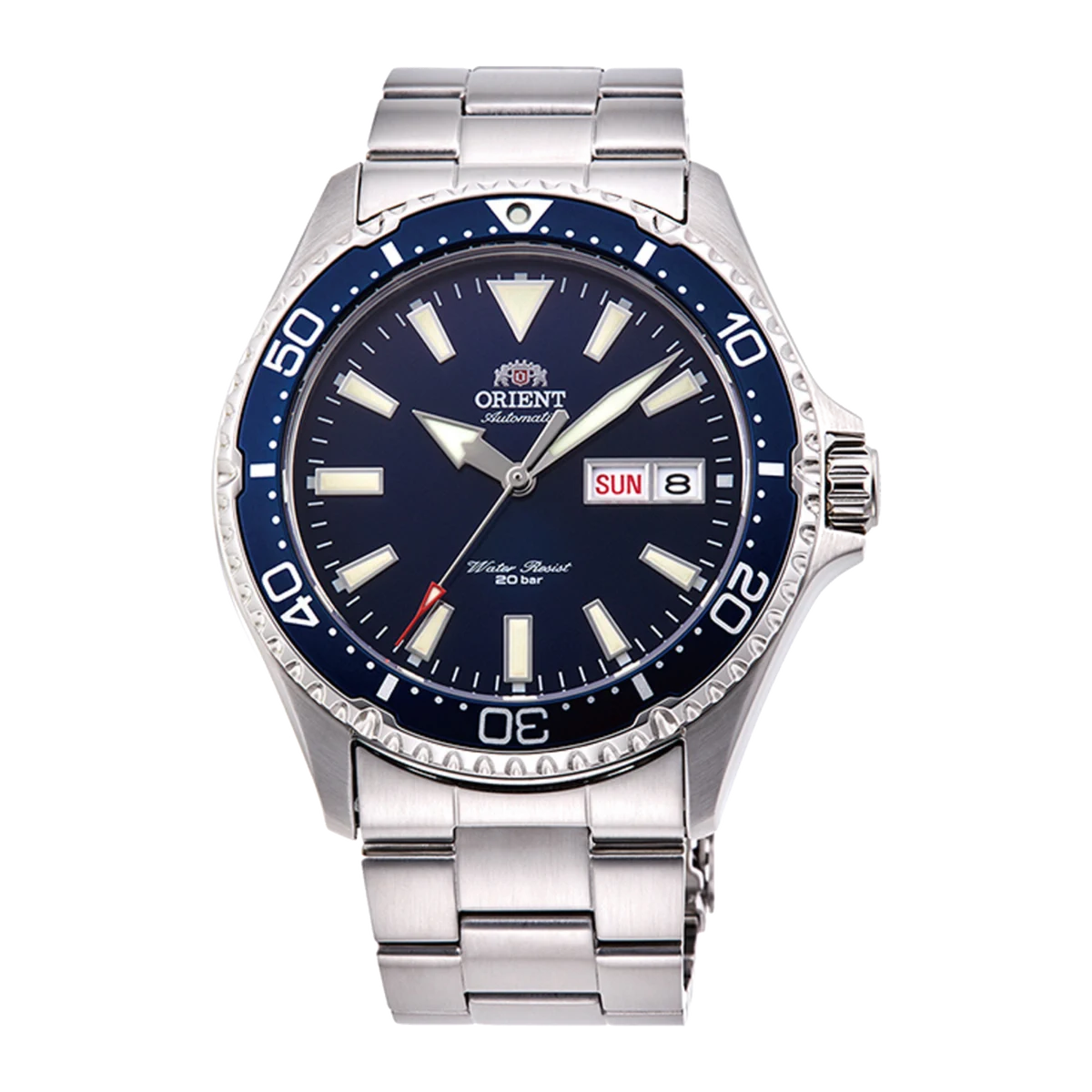
Por debajo de 200 US$, espera mineral y no lo trates como un fracaso. Entre 200 y 500 US$ el zafiro está disponible —el Orient Kamasu y el Citizen Tsuyosa lo incluyen— y merece la pena priorizarlo. Por encima de 500 US$ el zafiro debería ser estándar, y su ausencia es una crítica legítima.
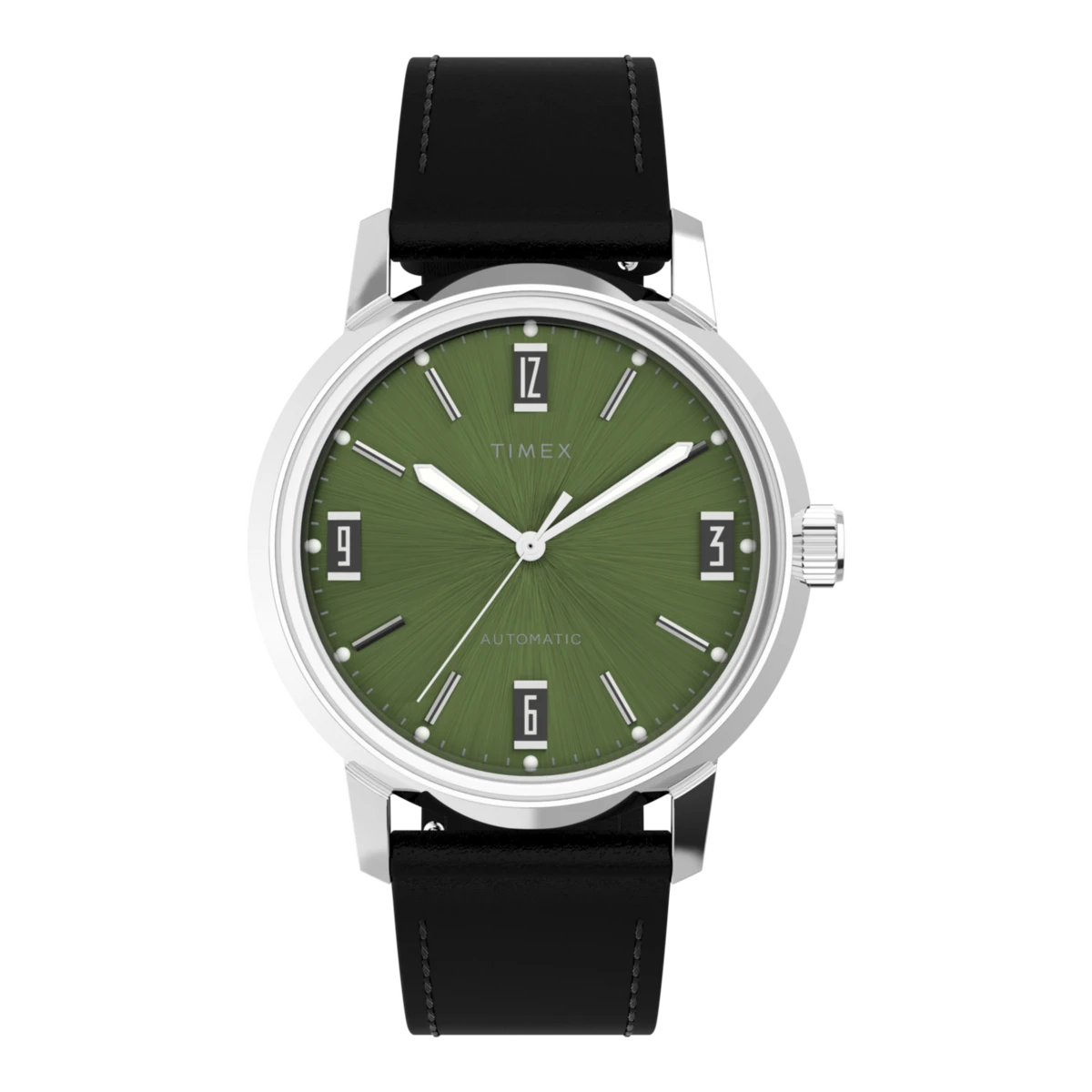
El acrílico es una elección y no una renuncia cuando el reloj es fiel a su época, como en el Timex Marlin.